
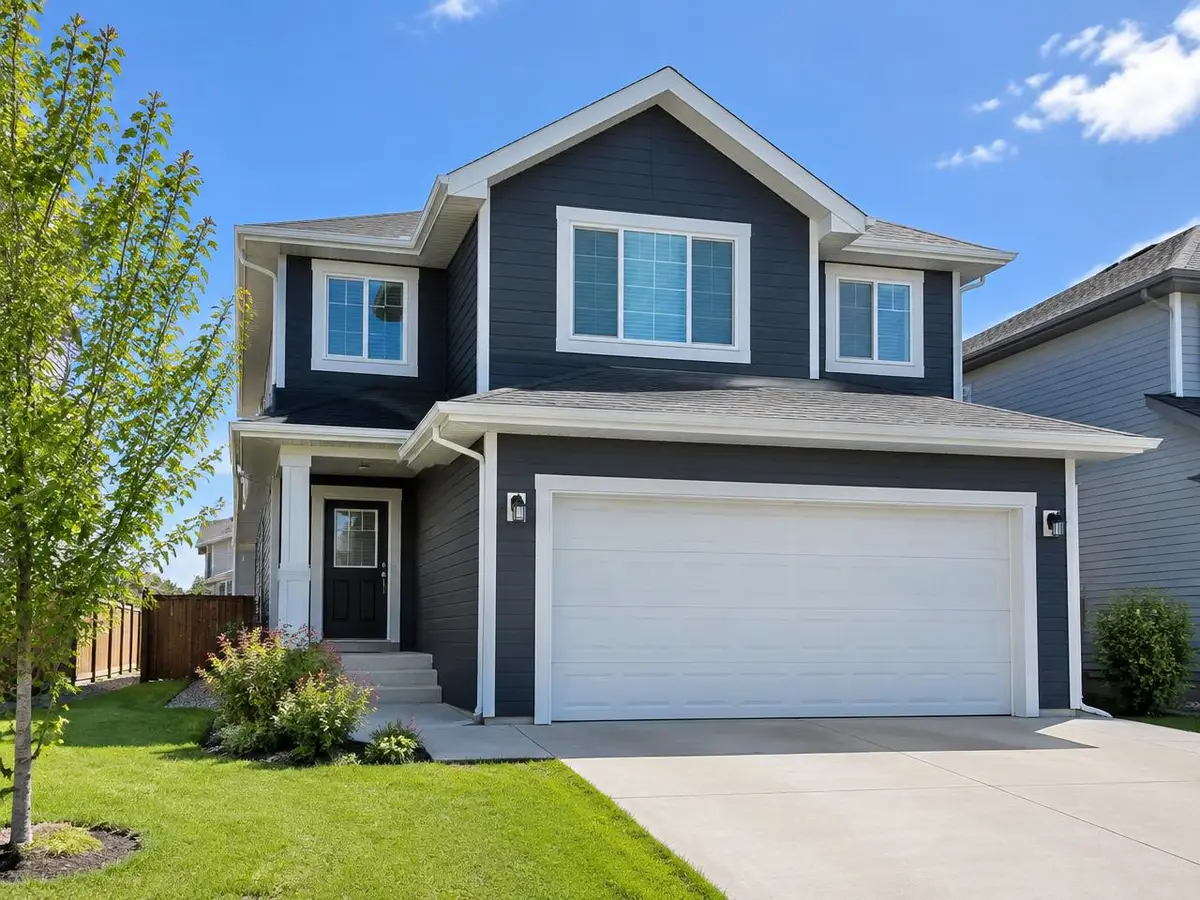
When is the best time to paint an exterior in Calgary?
The practical exterior season is roughly late May to mid-September, with the daily schedule set by the weather. Overnight temperatures, surface temperature, rain and the coating's stated drying window all affect the schedule. A warm afternoon does not make a cold evening safe for fresh paint. Frank reviews the forecast and product requirements before setting the daily work plan, and weather delays may mean changing which elevation is painted first.
Strong UV at altitude puts exposed finishes under pressure, particularly on south-facing and west-facing walls. Chinook freeze-thaw swings and wind-driven moisture can expose weak joints and failed coatings. Hail impacts can damage siding and trim as well as the paint. Our guide to the best time for exterior painting explains why a flexible schedule usually serves the house better than a schedule that ignores changing conditions.
What preparation does the outside of a house need?
The first step is identifying the surface material and the reason an old finish is failing. Peeling near a leaking gutter needs more than scraping. Soft wood, open joints and moisture entry should be addressed before coating; painting over damage can hide a problem without stopping it. We discuss what belongs in the painting scope and what needs repair by another trade. Older houses may also need assessment of lead-era coatings before scraping or sanding begins.
Cleaning removes dirt, chalk and other contamination that can interfere with adhesion. The method must suit the surface, because aggressive washing can damage wood or force water behind cladding. After drying, loose paint is removed, sound edges are feathered and bare areas receive suitable primer. Caulking belongs in appropriate joints, not in drainage openings or gaps that the building needs to keep clear. Preparation details are confirmed in the estimate rather than treated as an unspecified extra.
Can siding, stucco and exterior trim use the same paint?
Not necessarily. Wood, previously painted stucco, metal and factory-finished components can need different preparation and paint. On vinyl, colour choice and product compatibility matter because excessive heat absorption can create problems. Masonry needs attention to moisture and the existing finish. We check what can reasonably be repainted before choosing products that suit each material, even when the colours need to match.
Colour decisions also deserve a look outdoors. A sample viewed in shade can look much brighter across a broad sunlit wall. Consider roofing, brick, neighbouring homes and any architectural controls before approving a change. For condos or managed properties, written colour approval may be required before ordering materials. Doors, fascia, soffits and garage doors should be listed individually in the scope so there is no confusion about which details are included or left as they are.
How do we protect the property and plan ongoing care?
Exterior access affects both the quote and the work sequence. We consider landscaping, fences, parked vehicles, power lines and safe access around each elevation. Windows, fixtures and adjacent surfaces need suitable protection, with a plan for keeping entry doors usable. If a deck or fence also needs attention, wood staining can be discussed separately because those surfaces have different preparation and drying requirements from the house walls.
After painting, inspect vulnerable areas periodically rather than waiting for widespread peeling. Look around window trim, horizontal ledges and places where snow or sprinkler water collects. Keep drainage working and address damaged sealant or new impact damage promptly. You can review completed work when considering colours and scope, but maintenance needs depend on sun, moisture and the condition underneath. Frank explains which areas deserve closer attention, so you can catch wear early and plan the next repaint around the house itself.