
Why do walls and ceilings show patches after painting?
A repair can absorb paint differently from the surrounding surface, leaving a dull or shiny patch even when the colour matches. Primer helps even out suitable repairs before the finish coats, while sanding and feathering address changes in level. Paint cannot flatten a raised ridge of compound. We check the wall under the room's lighting and discuss repairs before coating, especially on long walls where daylight from a window travels across the surface and highlights small defects.
Builder-grade flat paint in newer Calgary homes can be porous and easy to mark. Older walls may carry several paint types, wallpaper residue or earlier patching. Each needs its own preparation, rather than an assumption that the next coat will cover everything uniformly. Where damage goes beyond small filling, drywall repair can be included as a defined step before painting. Existing stains also need assessment so the cause and the correct primer are addressed before finish paint.
How should you choose wall colour and ceiling sheen?
Calgary's bright daylight and long summer evenings can change how a colour reads across the day. Test a sample near the floor, beside the trim and on a wall away from the window. Look again under the lamps you actually use at night. A cool white that suits one room may feel stark beside warm flooring in another. For an accent wall, consider where the colour will stop and how it meets open-plan spaces rather than choosing the bold colour alone.
Ceilings often benefit from a low-sheen finish because reflected light can emphasise roller marks and surface irregularities. That does not mean every ceiling needs the same coating. Bathroom conditions, existing texture and cleaning needs should guide the recommendation. Dark ceiling colours and higher sheen may require more exacting preparation to achieve the appearance you expect. We discuss those trade-offs before approval so the proposed finish reflects both your colour preference and the actual condition of the surface.
What is different about textured or stained ceilings?
Knockdown and orange-peel textures are common locally, and repainting must preserve the intended pattern without treating the surface like a smooth board. Repairs need texture work before coating when the surrounding pattern is to be retained. Older stippled ceilings may require hazardous-material assessment before disturbance, including scraping or sanding. We do not assume that a texture is safe to disturb based only on how it looks. Any necessary testing or specialist work comes before the painting preparation.
Water stains require the leak or condensation source to be corrected first, followed by drying and assessment of the material. We then choose a stain-blocking primer suited to the mark and surface. Simply adding ceiling paint may leave the mark visible again. Kitchen residue also needs suitable cleaning, and bathroom paint will not solve poor ventilation. Frank reviews these conditions during the quote so repair, cleaning and priming are part of an agreed approach rather than hidden beneath a fresh coat.
How do we handle high ceilings and occupied rooms?
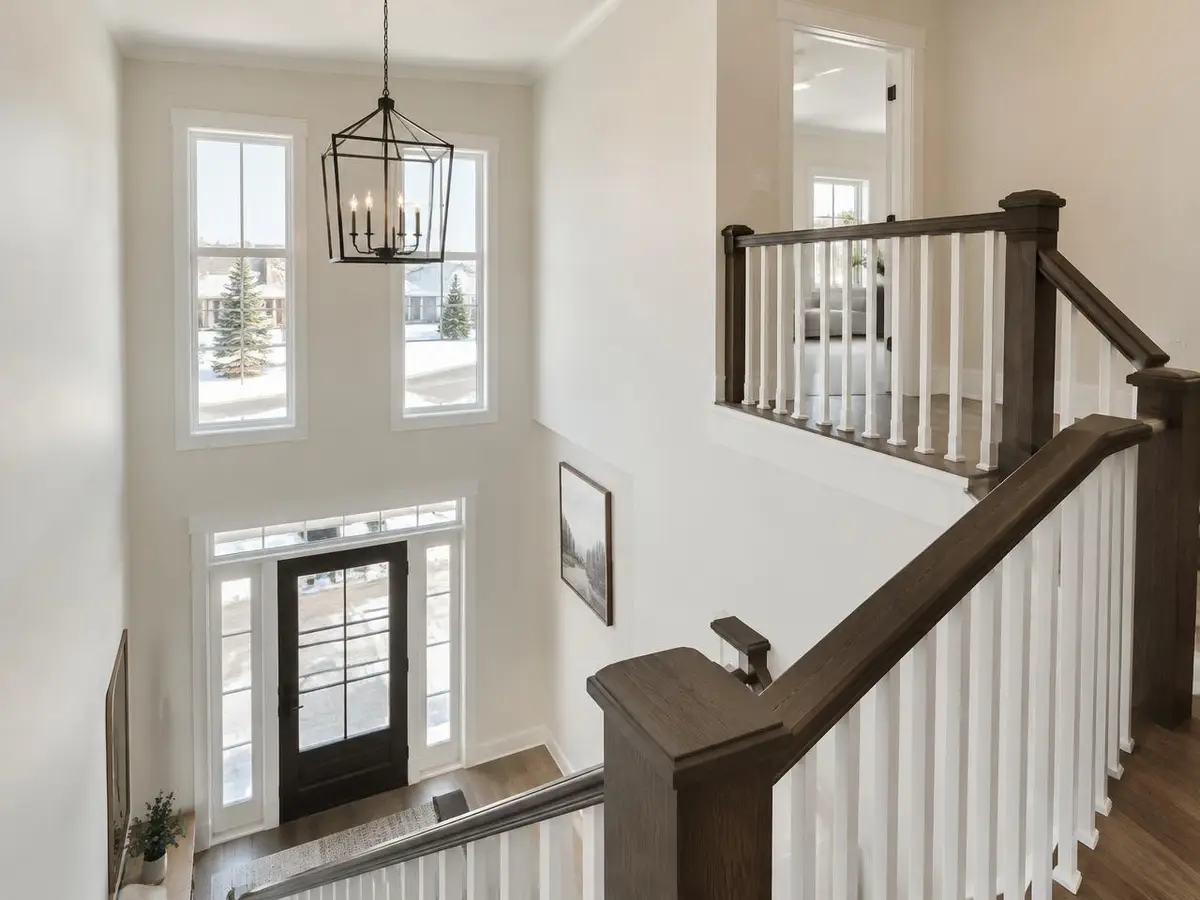
Two-storey foyers and stairwells need safe access equipment and enough clear space to position it. The floor plan, stair geometry and nearby fixtures affect how the work can be done. We discuss protection for floors, furniture and railings, and identify temporary access restrictions before starting. Light fittings and smoke alarms should not simply be painted around carelessly or disabled without an appropriate plan. The scope clarifies any fixture removal or other trade work needed for access.
For occupied homes and condos, sequencing matters as much as colour choice. Board rules, elevator bookings and permitted hours can affect delivery and setup. Calgary's low winter humidity may change drying conditions, but product guidance still controls recoating and curing. Review our preparation guide to clear belongings before work, and use the final walkthrough to review coverage and edges. Frank personally quotes and oversees the job. Before starting, we walk through the surfaces and repairs together, including ceiling edges, accent-wall boundaries and any areas that need extra preparation.