Cabinets
Cabinet Painting vs Refacing vs Replacing: What Makes Sense for a Calgary Kitchen
By Franklin SamuelPublished Last updated 6 min read
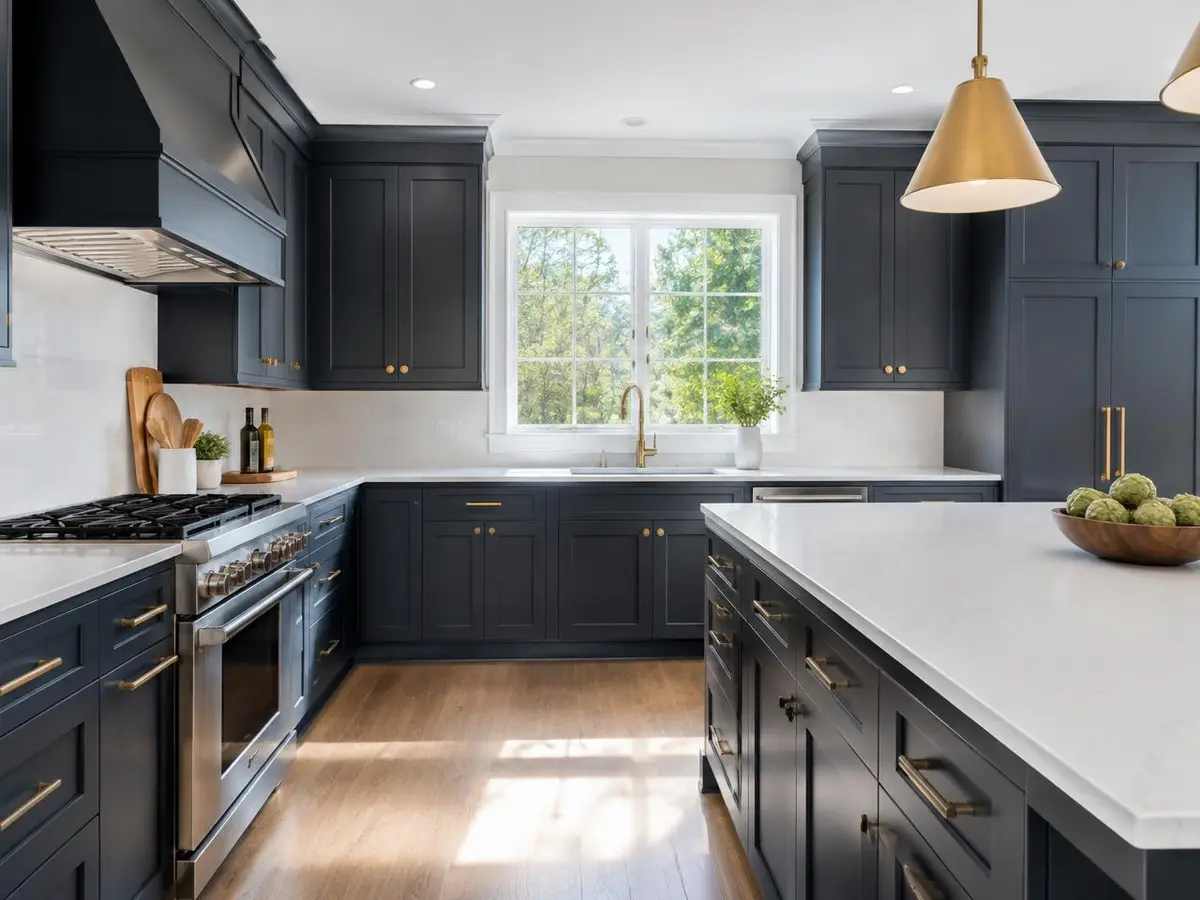
If your Calgary kitchen feels dated, replacing every cabinet is not automatically the right answer. Painting, refacing and replacing solve different problems. The sensible choice starts with the condition of the cabinets and whether the layout works for the way you cook, clean and store things. A new colour can change the appearance, but it cannot move a dishwasher or make a crowded corner easier to use.
Before comparing finishes, open the doors, pull out the drawers and look inside the sink cabinet. Check for swelling, loose joints and damaged edges. Then think about what actually bothers you. Is it the colour, the door style, unreliable hardware or the entire arrangement? That answer helps separate a cosmetic project from a renovation.
What is the difference between painting, refacing and replacing?
Cabinet painting keeps the existing boxes, doors and drawer fronts, with preparation and a new coating system on the agreed surfaces. It is generally the less involved option when the cabinets are sound. Changes to handles or hinges may be possible, but they should be discussed before preparation begins because holes and hardware compatibility need attention.
Refacing usually keeps the cabinet boxes while replacing doors and drawer fronts and covering exposed box surfaces with a matching material. It can make sense when you want a different door profile but the structure and layout still work. Ask exactly what is included, since end panels, interior surfaces, hardware and trim can be treated differently between proposals.
Replacing means removing the old cabinets and installing new ones. It offers the most freedom to change storage, dimensions and layout, but generally brings more disruption and a larger overall commitment. Countertops, plumbing, electrical work and flooring may also be affected. Compare the complete scope rather than the cabinet component alone when deciding which route suits your kitchen.
When does cabinet painting make sense?
Solid wood and MDF doors can be good painting candidates when they are in sound condition and prepared with a suitable coating system. Good boxes, reliable drawers and a layout you like are strong reasons to consider keeping what you have. Frank checks the existing finish for adhesion and chooses a coating system that suits the surface.
Painting is especially practical when your main concern is appearance rather than function. You may like the storage and door profile but want a lighter colour or a less yellow finish. Expect the original construction to remain visible. Wood grain, joints and existing profiles do not necessarily disappear under paint, and seasonal movement can still show at joints.
When should you consider another option?
Peeling thermofoil is a warning sign, not a surface to simply paint over. Laminate in poor shape also needs careful assessment, particularly where edges are lifting or the underlying material is swollen. A coating cannot reattach a failing layer. Some surfaces can be prepared successfully, but others are better replaced, and that distinction should be clear before work is booked.
Water-damaged boxes near the sink or dishwasher need special attention. Soft, swollen or crumbling material requires repair or replacement, and the source of the water needs correcting first. If you dislike the layout, painting may only postpone the renovation you actually want. Consider whether refacing leaves the same frustrations in place, since it usually keeps the existing cabinet arrangement.
What does proper cabinet painting involve?
A cabinet project starts with documenting the agreed scope, protecting the kitchen and removing doors, drawer fronts and hardware as needed. Parts should be labelled so they return to the correct openings. Grease, cooking residue and cleaning-product buildup need thorough removal. Sanding a greasy surface is not a substitute for cleaning it properly first.
After degreasing, surfaces are scuff sanded to prepare them for the new coating, and dust is removed. A suitable bonding primer helps the finish adhere to the existing surface, followed by an enamel finish intended for cabinetry or similar wear. Product compatibility and the existing coating matter at every stage. Repairs, primer selection and drying intervals should be based on the actual cabinets, with preparation tailored to their condition.
Doors and fronts may be sprayed, while fixed sections may be sprayed or carefully rolled, depending on the project and agreed finish. Spraying requires suitable containment and ventilation; rolling can leave a different texture. Ask how each part will be handled and look at our work to discuss the kind of finish you prefer. Neither method replaces careful preparation.
What should you expect from day to day?
The first stage normally involves protection, labelling, removal and cleaning. Preparation and repairs follow, then primer and finish coats with the required drying intervals between them. Doors may be finished away from the kitchen if that is part of the plan. Reassembly comes once the coating is ready for careful handling, followed by adjustments and a walkthrough.
Frank plans the schedule around cabinet condition, the coating system and the size of the job. Ask which days you will have limited kitchen access, whether appliances remain usable and where doors will be finished. Arrange simple meals and clear counters in advance. Any access restrictions should be discussed before the kitchen is masked off.
How do you protect new cabinet paint?
Calgary's dry air can help paint dry, but drying and curing are not the same thing. A finish can feel dry before it develops its intended hardness. Temperature, ventilation, product choice and coating thickness all affect that process. Follow the care instructions for the product used rather than assuming that doors are ready for normal treatment as soon as they are rehung.
During the first weeks, close doors gently and avoid hard scrubbing, adhesive hooks and bumping fronts with cookware. Wipe spills promptly with a soft cloth using the recommended cleaning method. Keep steam and standing water away from edges, and do not add shelf liners or accessories that touch fresh paint until advised. Report sticking or alignment problems instead of forcing a door closed.
For an honest assessment of cabinet painting, get a free estimate or call/text Frank at 403-861-1963. Explain what works in your kitchen and what does not. Every job is different, so you'll get the details in your written estimate.