Hiring a Painter
How to Get Your Home Ready for Painters: A Calgary Checklist
By Franklin SamuelPublished Last updated 6 min read
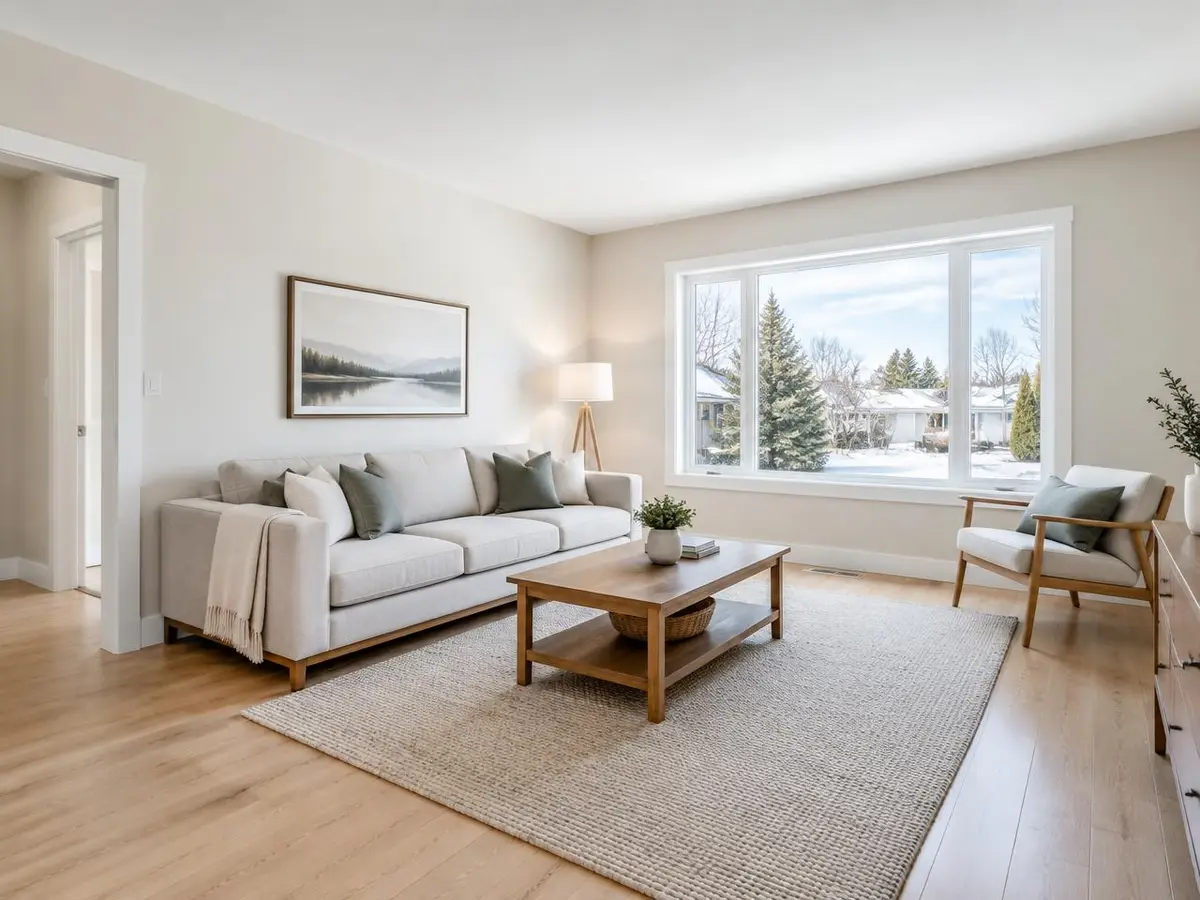
Getting ready for painters does not mean emptying your entire house or doing the preparation work yourself. It means making the rooms being painted accessible, protecting the things that matter to you and settling a few practical decisions before Frank arrives. A clear plan helps everyone avoid last-minute furniture puzzles, missing colour choices and a nervous dog at an open front door.
For Calgary homeowners, access can be just as important as the room itself. Snowy paths, limited street parking and condo elevator bookings all affect the start of a project. Use this checklist as a starting point, then confirm with Frank which tasks you will handle and which he will take care of.
What should you agree on before painting starts?
Walk through the rooms and confirm exactly what will be painted: walls, ceilings, trim, doors, closets or some combination. Point out existing damage, stains and previous repairs. Ask which preparation tasks the painter will handle and whether anything needs another trade first. A leak should be addressed before a stain is covered, and loose trim may need more than caulking.
Discuss the order of rooms, working hours and how you will use the house while work is underway. If you work from home or need a bedroom available each night, say so early. Agree on furniture moving, protection and cleanup responsibilities. Every job is different, so you'll get the details in your written estimate.
How early should you choose colours?
Settle your colours and finishes before the planned start, with enough time to review samples without rushing. Small chips are useful for narrowing choices, but larger samples make it easier to judge a colour beside flooring, cabinets and furniture. Put samples where the paint will actually be seen, not only under the bright lights of a shop.
Look at samples in morning, afternoon and evening light. Calgary's bright winter sun reflecting off snow can make a room look very different from the same room under evening lamps. A north-facing bedroom and a sunny south-facing living room may not read the same colour the same way. Check your preferred sample beside white trim and existing finishes before giving final approval.
What should you clear out of each room?
Move small, fragile and valuable belongings yourself whenever practical. Frank will protect the work area, but you know the best place to store your jewellery, family photographs and work laptop. Clear furniture surfaces and floor edges so there is room to protect the space and reach the walls. Keep a separate spot for the things you will need during the project.
- Remove pictures, mirrors and other wall hangings from the areas being painted.
- Pack ornaments, electronics and fragile items away from the work zone.
- Clear counters, shelves and furniture tops where work is planned.
- Move clothing and stored items out of closets included in the scope.
- Tell the painter which picture hooks should stay and which holes should be filled.
- Ask before removing blinds, curtain hardware or mounted fixtures.
Large furniture needs a separate conversation. Some pieces can move towards the centre of a room and be protected, while others may need to leave entirely. Heavy bookcases, pianos, aquariums and wall-mounted televisions are not routine small-item moves. Confirm who handles them and empty furniture where needed. Do not disconnect electrical equipment or remove fittings unless you can do so safely.
What access details matter in Calgary homes and condos?
Arrange a clear route from the entrance to the work area and explain where Frank can park. In winter, keep steps and paths safely cleared and discuss how wet footwear will be managed. Let Frank know about narrow stairs, tight corners or shared entrances before equipment arrives. Access arrangements should also explain how doors are secured when Frank enters or leaves.
In a condo, check board rules and building procedures before booking the work. You may need an elevator reservation, protective pads, approved work hours or a designated loading area. Ask management whether contractor documentation or notice to neighbours is required. Give the painter those requirements early rather than discovering an elevator restriction when tools are already downstairs.
How do you manage kids, pets and daily routines?
Choose a safe area away from the work for children and pets, with doors or other reliable separation. Paint trays, ladders, cords and open doors make active work areas unsuitable for curious visitors. A pet that is normally calm may react differently to unfamiliar people and equipment. Consider arranging time elsewhere if keeping them separated will be difficult.
Agree on daily access, keys or entry codes and who to contact if a question comes up. Keep the route to a bathroom and any essential rooms clear where possible. If you need access during the workday, discuss it first instead of stepping through masking or moving coverings. Let the painter move their own tools and adjust protection when access changes.
Ventilation should follow the coating instructions and the conditions inside the home. In cold weather, opening every window can make surfaces too cold and interfere with drying. Ask how fresh air and a suitable indoor temperature will be maintained. Low odour does not mean there are no precautions to follow, particularly for anyone with sensitivities or specific health concerns.
What should happen after the painting is finished?
Walk through the work with the painter in good light and ask about anything you notice. Confirm when furniture can return, when doors can close normally and when pictures can go back up. Paint that feels dry may still be curing. The correct waiting period depends on the coating and conditions, so use the product-specific advice rather than a general rule from a different project.
- Wait for guidance before hanging pictures or pressing furniture against fresh walls.
- Avoid scrubbing new paint until the recommended curing period has passed.
- Ask how to handle marks or spills while the coating is still developing hardness.
- Keep touch-up paint labelled with the room name, colour, product and sheen.
- Store leftover paint according to its label, protected from freezing and away from children.
Touch-ups are easier when you know exactly what was used, although small repairs may still show in certain light. Keep the project details with your labelled paint and ask how best to apply it. For more planning answers, visit the FAQ or read about interior painting. A little organisation now makes future maintenance less frustrating.
Want to talk through your rooms and preparation checklist? Get a free estimate or call/text Frank at 403-861-1963. First Impressions Painting can clarify what you should move, what the painting work includes and how to plan around your household.