Hiring a Painter
How to Compare Painting Quotes in Calgary (and What a Room Quote Should Include)
By Franklin SamuelPublished Last updated 5 min read
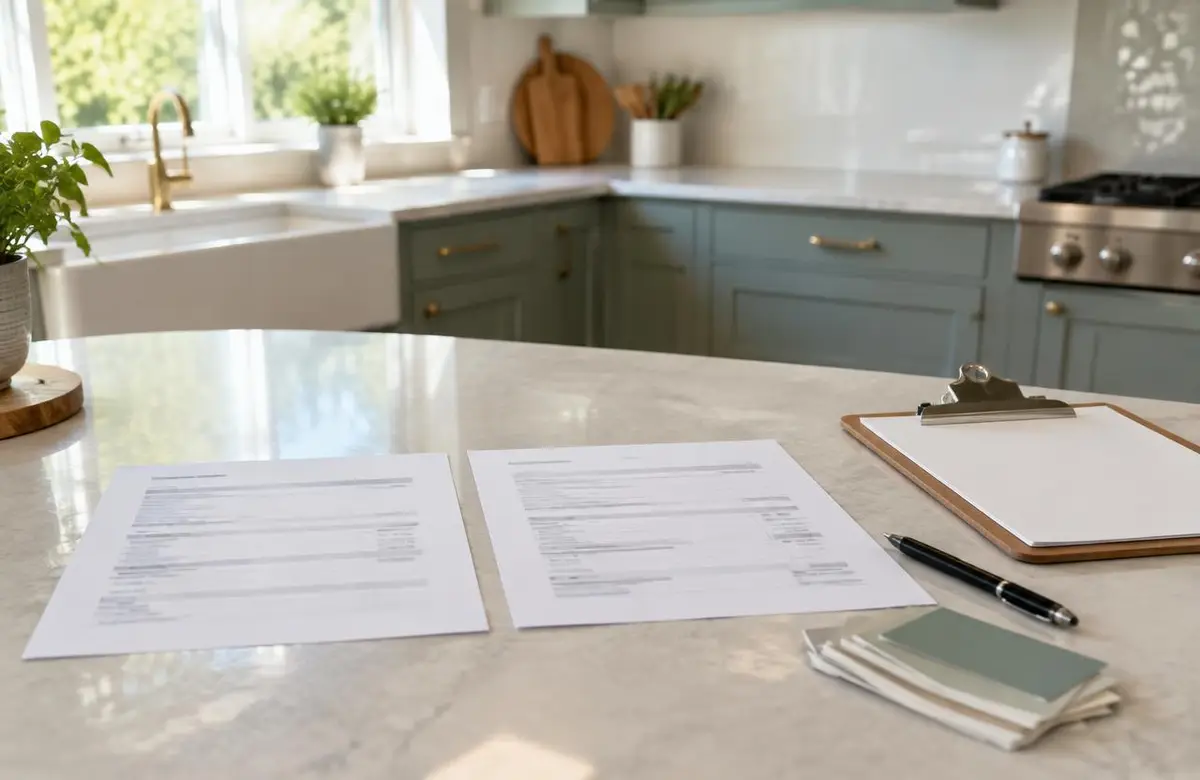
When you compare painting quotes, start with the work being offered rather than the total at the bottom. A quote that says bedroom painting can mean walls only, or it can include the ceiling, closet, trim and door. If the scope is different, the totals are not comparing the same job. I want you to be able to read my estimate and understand what I plan to do.
For Calgary homeowners, a clear written scope also makes the conversation easier. You can ask about a missing repair or an excluded ceiling before work begins. With interior painting, small differences in the description can represent substantial differences in preparation and finish. Getting those details settled is more useful than trying to decode a vague promise of complete painting.
What should a room quote actually include?
A room quote should identify the room and the surfaces within it. Walls, ceilings, baseboards, window casings, door frames and doors should be included or excluded clearly. Closets need their own clarification, especially when shelving or stored belongings affect access. If only selected walls are being painted, the description should make that boundary obvious without relying on a remembered conversation.
I also want the existing condition acknowledged. A scuffed wall is different from a wall with loose joint tape or a water stain. If damage is visible during the estimate, ask how it will be handled. The quote should distinguish ordinary preparation from more involved repairs, and it should explain how any newly discovered work will be discussed before it proceeds.
How specific should preparation and repairs be?
Preparation should describe the actual tasks: cleaning where needed, filling agreed holes, sanding repairs, removing dust and protecting nearby surfaces. Broad wording such as prep included leaves too much room for interpretation. Ask which defects will be repaired and what appearance to expect afterward. Painting over a rough patch does not make it level, particularly under light from a nearby window.
For larger defects, discuss drywall repair as a defined part of the scope. Damaged corners, failed tape and uneven previous patches may need more work than ordinary filling. If a stain or recurring crack suggests an unresolved problem, that issue needs attention rather than simply another coating. The estimate should not make a structural or moisture problem sound like routine cosmetic preparation.
What should it say about primer, paint and coats?
Primer should have a purpose tied to the surface. Bare repairs, stains and difficult existing finishes may call for different preparation and primer choices. Ask where primer is included and why. A quote that mentions primer without identifying the relevant surfaces can still leave uncertainty about whether all repaired areas or only selected spots are being treated.
The paint product and sheen should be identified, along with the planned number of coats. Walls, trim and ceilings have different demands, so a general reference to paint is not enough. If your chosen colour changes the coverage requirements, discuss that before the scope is finalised. Product choice should suit the surface and expected use, not just sound impressive in a sales description.
Drying and recoat instructions matter alongside the coating count. Ask how the work will be sequenced so you know when rooms and doors can be used. A promise of fast completion means little if it ignores the product's application requirements. The written plan should explain the finish being supplied without making you infer it from a brand name alone.
Who handles furniture, protection and clean-up?
Moving furniture can mean different things to different people. Clarify whether you are expected to empty the room, move small belongings or arrange help with heavy items. Discuss wall hangings, curtains and access to closets. I need enough space to protect the room and work safely, and you need to know what should be ready before I arrive.
Clean-up should be described as part of the work, not left as a friendly assumption. Ask about removing masking, collecting painting debris and returning the agreed furniture to position. Discuss where tools can be kept while the job is underway. If pets or children use the area, access restrictions and wet surfaces should be part of the daily plan.
What is an apples-to-apples checklist?
Use the same checklist for each estimate. If something is missing, ask for written clarification rather than filling in the gap yourself. An exclusion is not automatically a problem; an exclusion you only discover after work starts is the problem. These are the details I would want side by side:
- The same rooms and surfaces, with ceilings, trim, doors and closets explicitly included or excluded.
- Preparation and repair tasks, including protection, cleaning, sanding and the treatment of known damage.
- Primer locations, paint product, sheen and planned number of finish coats.
- Responsibility for moving furniture, clearing belongings, removing fixtures and final clean-up.
- Expected timing, access arrangements and how changes to the scope will be approved.
- Written payment terms and GST shown separately so the total is clear.
Keep your colour decisions and requested finish consistent when seeking comparisons. If you change your mind between visits, send the same update to each painter. Otherwise, a revised plan may explain the difference between estimates. Save written clarifications with the quote so that the agreed work is easy to refer back to later.
Which warning signs deserve a closer look?
A cash-only demand, no written scope or pressure for a big upfront payment should make you pause. Ask for clear documentation and time to review it. The concern is not simply whether a painter sounds friendly or confident. You need an understandable record of the work and terms before agreeing to proceed, with room to ask reasonable questions.
Be wary of an estimate that dismisses visible damage without explaining the preparation. The same applies when a painter will not identify included surfaces or keeps describing every concern as something to sort out later. Honest exclusions are easier to work with than vague assurances. You should be able to explain what you are buying in plain language after reading the quote.
How do you make the final choice?
Choose based on the complete scope, communication and a practical plan for your home. Ask unresolved questions before accepting, and have any agreed changes recorded. A clear estimate helps both of us keep the project focused, whether the work is a room refresh or painting through several connected spaces. It should reduce surprises rather than require you to supervise every detail.
If you want a clearly described painting quote, call or text me at 403-861-1963 or request a free estimate. I will look at the surfaces with you and put the preparation, included work and finish in writing.