Colour & Finishes
Paint Finishes Explained: Flat, Matte, Eggshell, Satin, Semi-Gloss
By Franklin SamuelPublished Last updated 6 min read
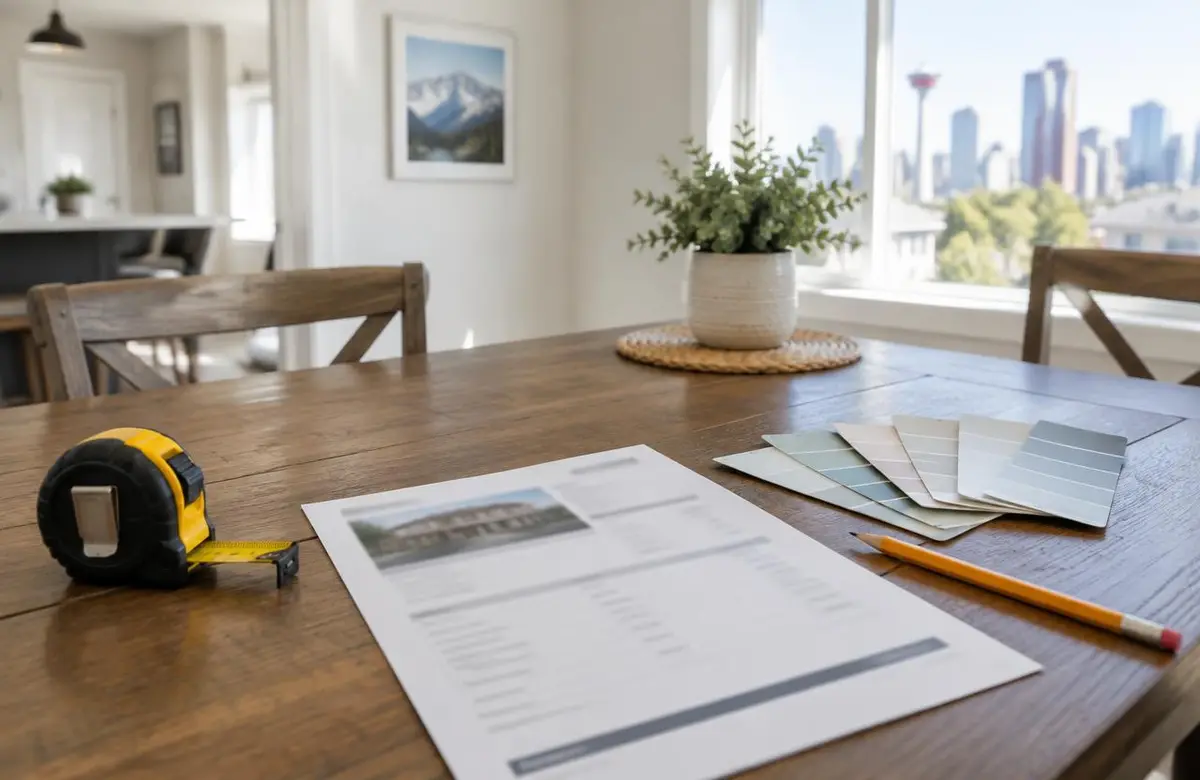
Choosing paint colour is only part of an interior painting decision. Sheen affects how light catches the surface, how visible the wall repairs are and what happens when you wipe away a mark. In Calgary homes, I often see a good colour paired with a finish that does not suit the room. A low-sheen wall might look calm but struggle with repeated scrubbing, while a shiny wall can draw attention to every patch.
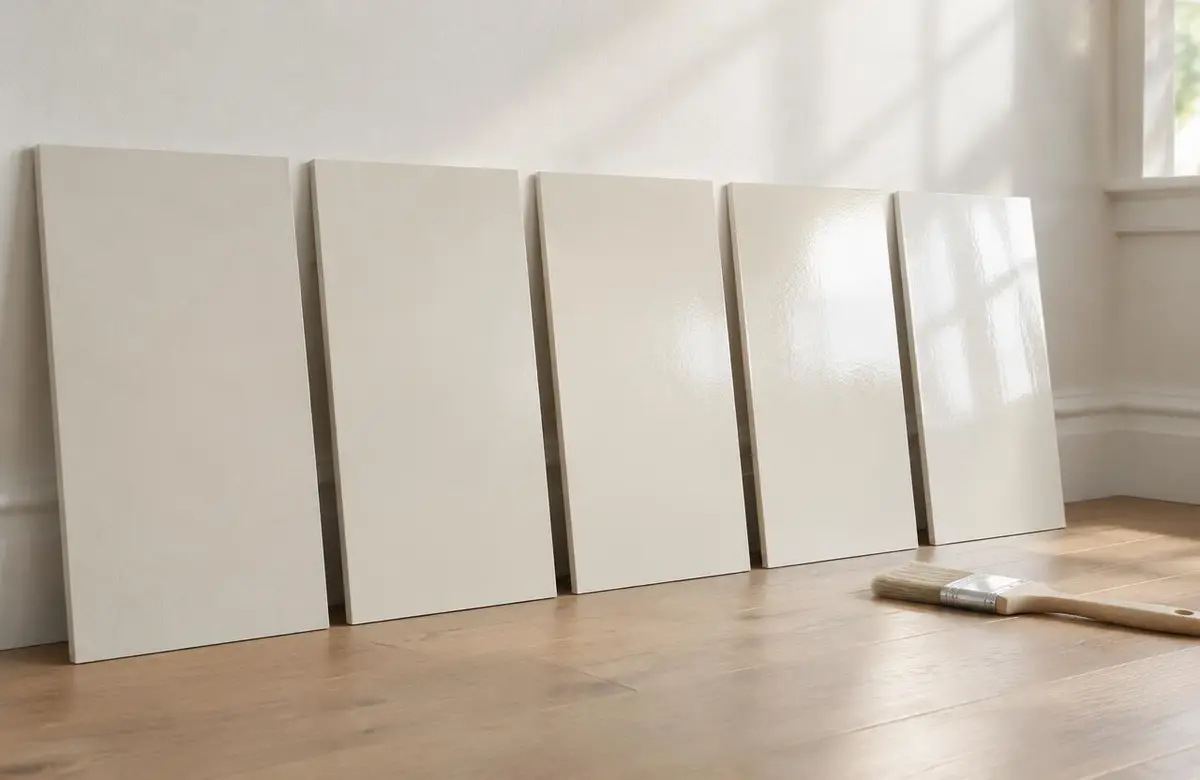
For interior painting, I choose the coating and sheen together. Flat, matte, eggshell, satin and semi-gloss describe general levels of shine, but the labels are not identical across manufacturers. Washability also depends on the actual coating, not sheen alone. I would rather compare the product's intended use and a sample than promise that every satin finish behaves the same way or every matte paint is difficult to clean.
Where does flat paint work best?
Flat paint reflects little light, which helps reduce the appearance of minor surface irregularities. That makes it a common choice for ceilings, particularly where daylight travels across a broad surface. It can also suit low-traffic walls when appearance matters more than repeated wiping. Flat does not make dents or uneven drywall disappear, but it is generally less revealing than a shinier finish under the same lighting.
The trade-off is cleaning. Some flat coatings mark or burnish when rubbed, leaving a spot that catches light differently. A wet cloth may remove dirt but leave a visible change in sheen. That is why I ask how the room is used before recommending flat walls. A quiet guest room and a narrow entrance used by children, pets and winter coats place very different demands on the surface.
Is matte paint different from flat?
Matte generally has a little more sheen than flat, although the difference can be subtle. It can give walls a soft appearance without as much shine as eggshell or satin. Some matte coatings are designed for washing, so it is not accurate to treat all matte paint as delicate. The specific product's cleaning and curing instructions matter, especially in rooms where fingerprints are part of everyday life.
I often discuss matte for living rooms and bedrooms where homeowners want low reflection but still need a practical finish. It can be useful where side lighting exposes minor imperfections. Preparation remains important: ridges, poorly feathered patches and heavy roller texture will not vanish under a low-sheen coating. Looking at a sample on the actual wall is more helpful than comparing small colour cards laid flat on a table.
Why is eggshell a common wall finish?
Eggshell offers a modest sheen that can balance appearance and routine cleaning. It is often a sensible option for living rooms, dining rooms and bedrooms. It provides a little more light reflection than many matte finishes without looking as shiny as satin. For a household that wants one consistent wall finish across several rooms, it is a useful starting point rather than an automatic answer for every surface.
Hallways and kids' rooms need a closer look at washability. An appropriate eggshell coating may suit them well, while a more demanding room may benefit from a different product or sheen. Ask what cleaning the finish is designed to handle. No wall paint should be judged by how it responds to harsh scrubbing immediately after application. Dry to the touch does not mean fully cured or ready for aggressive cleaning.
When is satin worth the extra sheen?
Satin reflects more light and often suits areas that need frequent wiping. It can work in kids' rooms, busy hallways and bathrooms when the chosen coating is intended for those conditions. The extra sheen makes preparation more visible, so repairs need careful sanding and priming. A wall with uneven patches may look acceptable head-on and much less even when daylight runs across it from a nearby window.
In bathrooms, moisture management matters as much as sheen. An appropriate coating does not replace a working exhaust fan or solve condensation caused by poor ventilation. Existing mildew needs proper cleaning and the damp conditions need attention before painting. I choose a bathroom coating for its intended service rather than assuming satin alone makes any paint suitable. Shower surrounds and regularly soaked surfaces require a different assessment from ordinary bathroom walls.
Where does semi-gloss make sense?
Semi-gloss creates a more noticeable shine and is commonly used on trim and doors where cleaning is frequent. It can give baseboards, door casings and interior doors clear definition against lower-sheen walls. The same reflection that makes trim stand out also highlights dents, brush marks and rough repairs. Good trim and door painting includes cleaning, appropriate abrasion and careful preparation before the finish coat.
Semi-gloss is not compulsory for all woodwork. Some homeowners prefer a suitable satin trim coating for a quieter appearance. The important distinction is between a product intended for trim and a wall paint selected only because the sheen name matches. Doors also need adequate drying before normal contact at stops and edges. A harder-looking shine is not proof that the finish is ready to handle everyday use.
Should cabinets have the same finish as doors?
Cabinets often suit satin or semi-gloss, but they need a coating system intended for cabinetry rather than ordinary wall paint. Hands, cooking residue and repeated cleaning make cabinet doors demanding surfaces. Existing grease, old coatings and hardware all affect preparation. I discuss sheen alongside colour, grain visibility and the condition of the doors. A shinier finish will not flatten wood grain or correct damaged edges.
The same sheen name on cabinets and trim won't always look identical, because the products and how they're applied differ. A quick sample on each surface shows you what you'll actually get, so the room looks right together.
Why does builder-grade flat paint scuff so easily?
Some new builds use basic flat wall coatings that are easy to apply consistently but less suited to repeated cleaning. Moving furniture, brushing against a hallway or wiping a handprint can leave visible marks. That does not mean every flat paint performs poorly. It means the existing coating may not match how the room is now being used. Repainting with a more washable system can be a practical improvement.
Before repainting walls and ceilings, I check adhesion, patch damage and prepare repaired areas so they do not stand out through the new finish. A washable topcoat does not strengthen loose paint underneath. Dark colours and strong side lighting can make uneven sheen particularly noticeable, so preparation and a consistent application matter just as much as moving up to eggshell or satin.
What is a practical room-by-room starting point?
- Ceilings: flat is a common starting point to reduce reflection and soften the appearance of minor irregularities.
- Living rooms and adult bedrooms: consider matte or eggshell based on lighting and expected cleaning.
- Kids' rooms and busy hallways: compare washable eggshell and satin products, not sheen names alone.
- Bathrooms: choose a coating intended for the conditions and deal with ventilation problems first.
- Trim and doors: use a suitable trim coating in satin or semi-gloss according to the appearance you prefer.
- Cabinets: choose a cabinet-appropriate system, with samples to compare satin and semi-gloss in the room.
Bring colour samples and tell me which surfaces are hardest to keep clean. Call or text 403-861-1963 or request a free estimate, and I will help you choose practical finishes for your home.