Colour & Finishes
Paint Colours and Prep That Help a Calgary Home Sell
By Franklin SamuelPublished Last updated 5 min read
When you are getting a home ready to sell, the painting list can grow quickly. A scuffed hallway leads to a tired bedroom, then someone notices the front door. I start by separating obvious distractions from work that can wait. The aim is a clean, cared-for home that photographs well and feels comfortable during a showing.
Painting is not a promise about your selling price. It is a way to address visible wear and make the rooms easier to read. Buyers should notice the space and layout, not spend their visit counting nail holes or wondering why one wall has a different sheen. A focused plan is usually more useful than repainting everything in a hurry.
What do buyers tend to notice first?
The approach to the house and the entry set the tone. A peeling door, chipped casing or heavily marked hallway is right in front of people before they reach the main rooms. Inside, bold wall colours can draw attention away from daylight and floor space. Old patch marks and scuffs also stand out when furniture has been moved for staging.
Dated oak and yellowed trim can make nearby walls look tired, even if those walls are clean. That does not mean every oak surface needs paint. Sound woodwork may fit the home well. I look at its condition, the surrounding colours and the scope before recommending a change. Painting cabinets or a full trim package is a bigger project than covering a few wall marks.
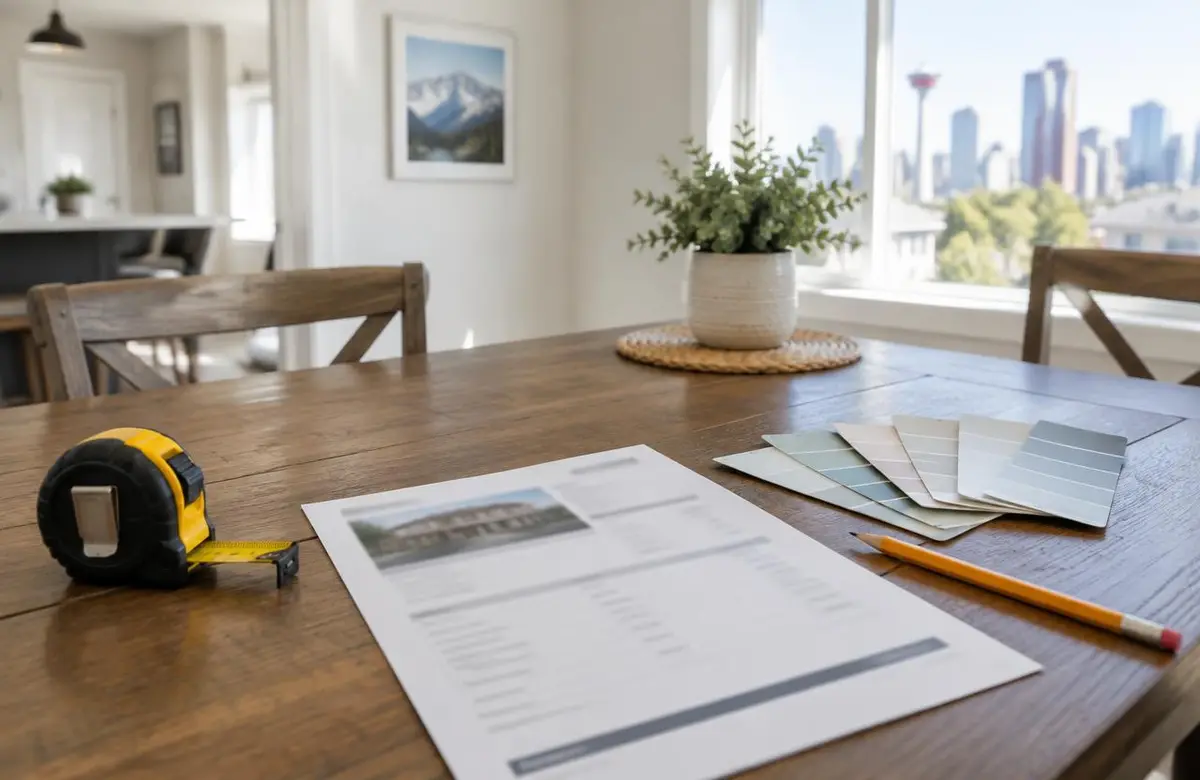
Walk through with fresh eyes before deciding. Start outside, come through the front door and follow the route a buyer will take. Look at corners, door edges and the wall behind the dining chairs. Ask your real estate agent which visible issues are getting in the way. That gives the painting plan a clearer purpose than a general wish to freshen things up.
Which rooms should you prioritise on a budget?
I usually begin with the entry and main living area because they connect much of the viewing experience. A consistent finish there can make separate rooms feel related. Next, consider the kitchen and primary bedroom. These are spaces buyers spend time assessing, and obvious stains or strong colours can make it harder to picture their own belongings there.
The front door deserves a separate check. It may need cleaning and a few repairs, or it may need a full repaint. In Calgary, outdoor work also depends on weather and the coating instructions. If the listing date falls during cold conditions, we need a workable plan early. An indoor deadline does not make the exterior surface ready to paint.
- Entry: deal with scuffs, chipped corners and marks near the closet.
- Main living area: simplify distracting colour changes and repair visible damage.
- Kitchen: clean grease and inspect walls around cooking and eating areas.
- Primary bedroom: choose a quiet colour and repair old hanging points.
- Front door: check the finish, edges and surrounding trim before photos.
For interior painting, I can separate the essential rooms from optional work in the scope. That makes it easier to decide what fits the schedule and budget. A tidy, complete main floor often makes more sense than starting several areas and leaving obvious edges unfinished when the photographer arrives.
Which neutral colours make sense?
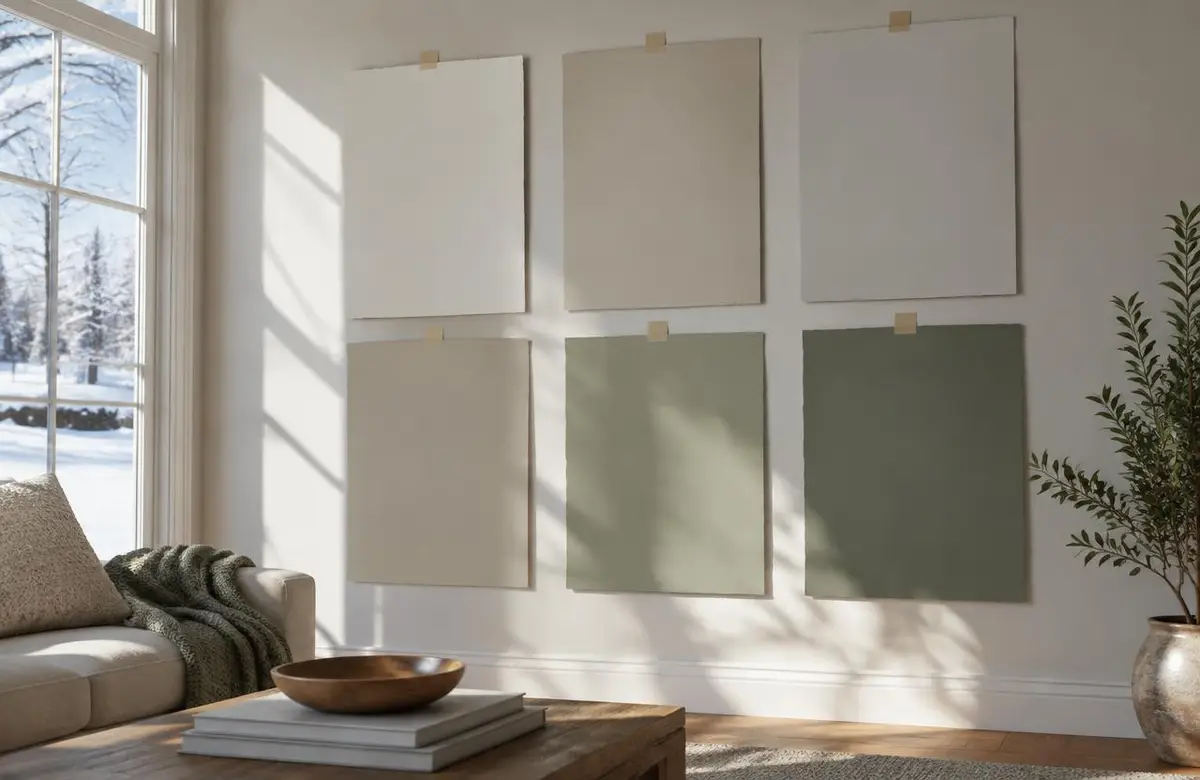
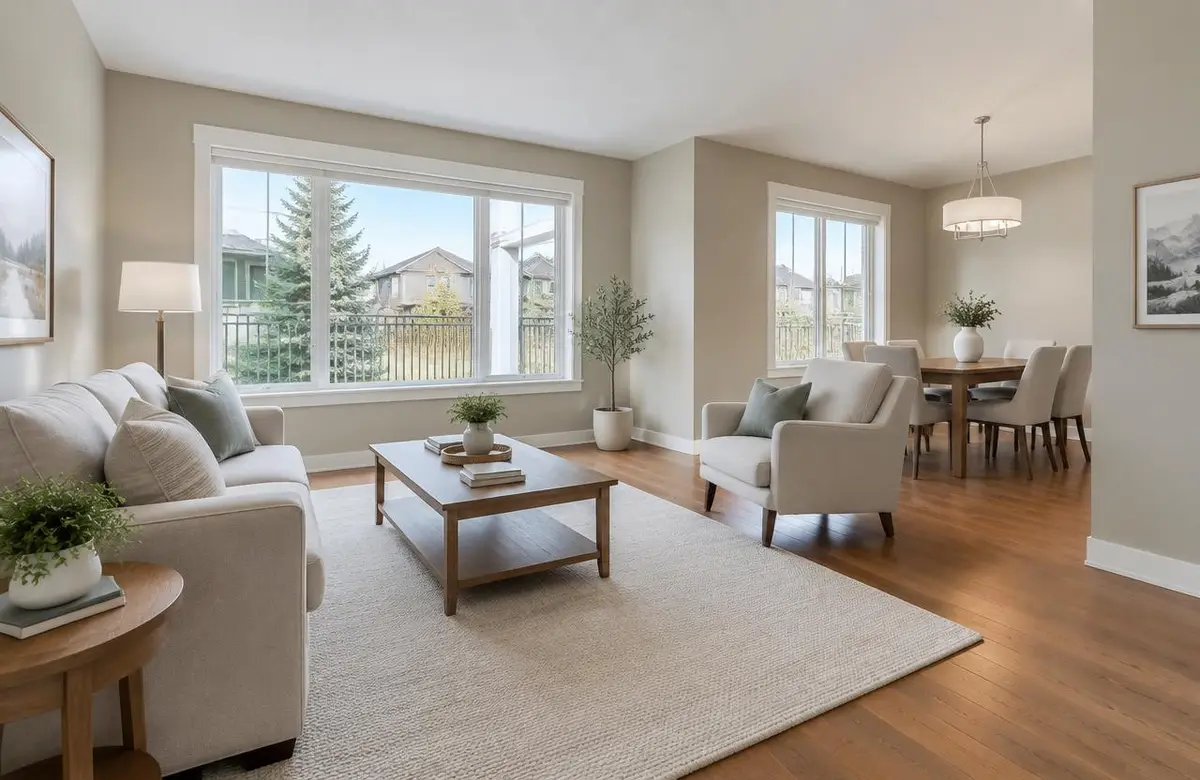
A neutral palette gives buyers less to mentally repaint, but neutral does not have to mean bright white everywhere. Soft warm whites, balanced beiges and gentle grey-based colours can all work. The choice depends on the flooring, cabinets, counters and light. Keep those fixed finishes in the conversation so the walls do not look disconnected from the house.
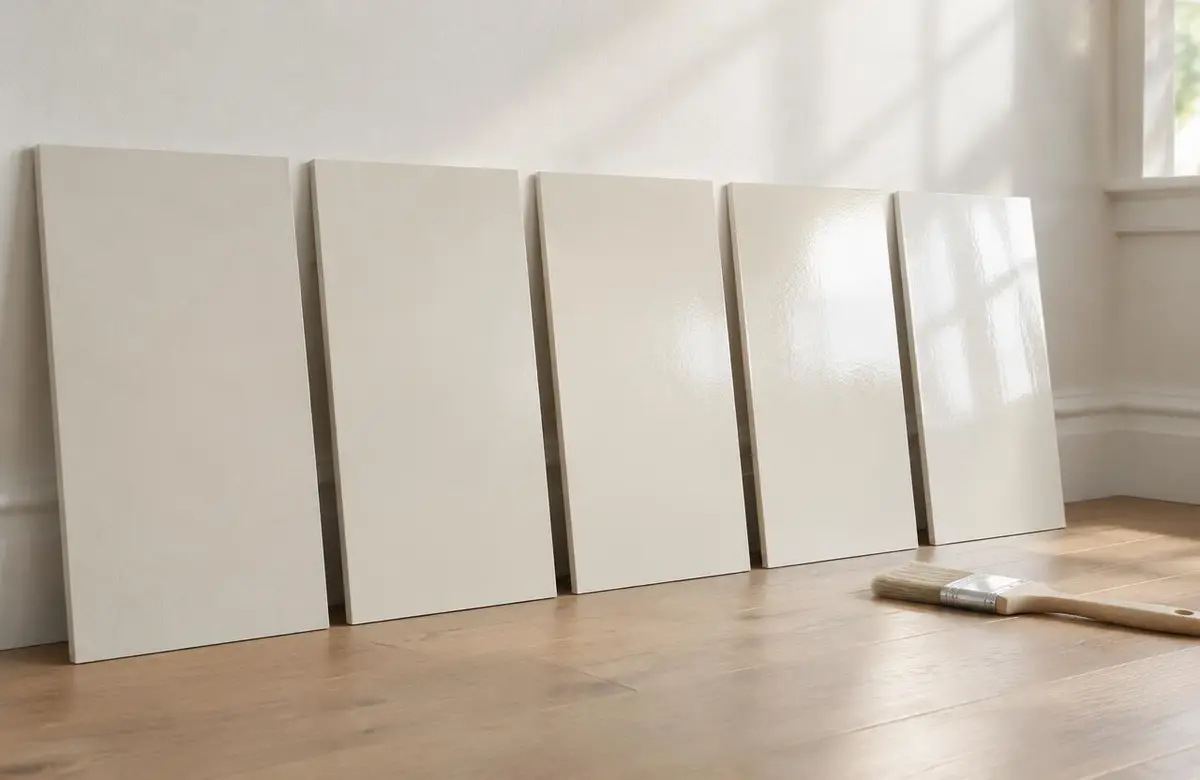
Be careful with cool grey beside warm oak or cream tile. That pairing can make existing finishes look more yellow. A warmer neutral may settle things down, while an overly creamy white might push the room too far in the other direction. Large samples viewed in the actual rooms help you choose without relying on a listing photo from someone else's home.
I also avoid choosing solely for the camera. Photos matter, but people will walk through the rooms under changing daylight and evening bulbs. Check the samples with your normal lighting switched on. Keep connected areas close enough in warmth and depth that the view from the entry feels settled. A simple palette helps the eye move through the home.
Which preparation details are worth doing?
Nail holes, cracked corners and dents need repair before painting. Remove hooks you are not leaving, then patch and sand safely as the surface allows. Repairs need primer where required so they do not appear as dull spots through the finish. Covering a hole with paint or painting around an unwanted wall anchor leaves the distraction in place.
Cleaning matters, especially in the kitchen and near door handles. Paint needs a sound, clean surface to bond. Water marks need their cause fixed and the stain blocked before repainting. Loose coatings must be addressed too. A fresh colour over failing material can still look rough, and it leaves the next homeowner with the same underlying problem.
Touch-ups are not always the quickest clean result. Old paint changes with use, and a new dab may show a different colour or sheen. If marks are spread across a visible wall, repainting that wall from corner to corner can look more consistent. I assess that during the walkthrough so the plan does not depend on touch-ups that stand out in photos.
Should you paint the trim or the exterior too?
Yellowed or chipped woodwork can undermine fresh walls. Focused trim and door painting may be worth considering in the entry and connected rooms. I check the existing coating and include preparation in the plan. A hurried coat over glossy trim can leave brush marks or poor adhesion just where people look closely.
Outside, start with visible wear and weather exposure. A complete siding repaint may not fit your listing schedule, while a door and selected trim might. We can review exterior painting separately and decide what conditions allow. Curb appeal should come from sound work, not paint applied to a wet or cold surface because the photos are booked.
How far ahead of listing photos should you plan?
Work backwards from the photography date. Allow time for repairs, primer, finish coats and the coating's drying and curing requirements. Leave room to put furniture back carefully and finish the cleaning. Freshly painted doors should not be pressed tightly against stops, and walls need time before scrubbing or heavy contact. Dry to the touch is not the same as ready for everything.
Tell me your photo date and showing plans before we choose the scope. Call or text 403-861-1963 or request a free estimate. I will help you focus the work and leave time for the finish to settle before buyers arrive.