Exterior
Hail Damage on Siding and Trim: Touch Up, Repaint or Claim?
By Franklin SamuelPublished Last updated 5 min read
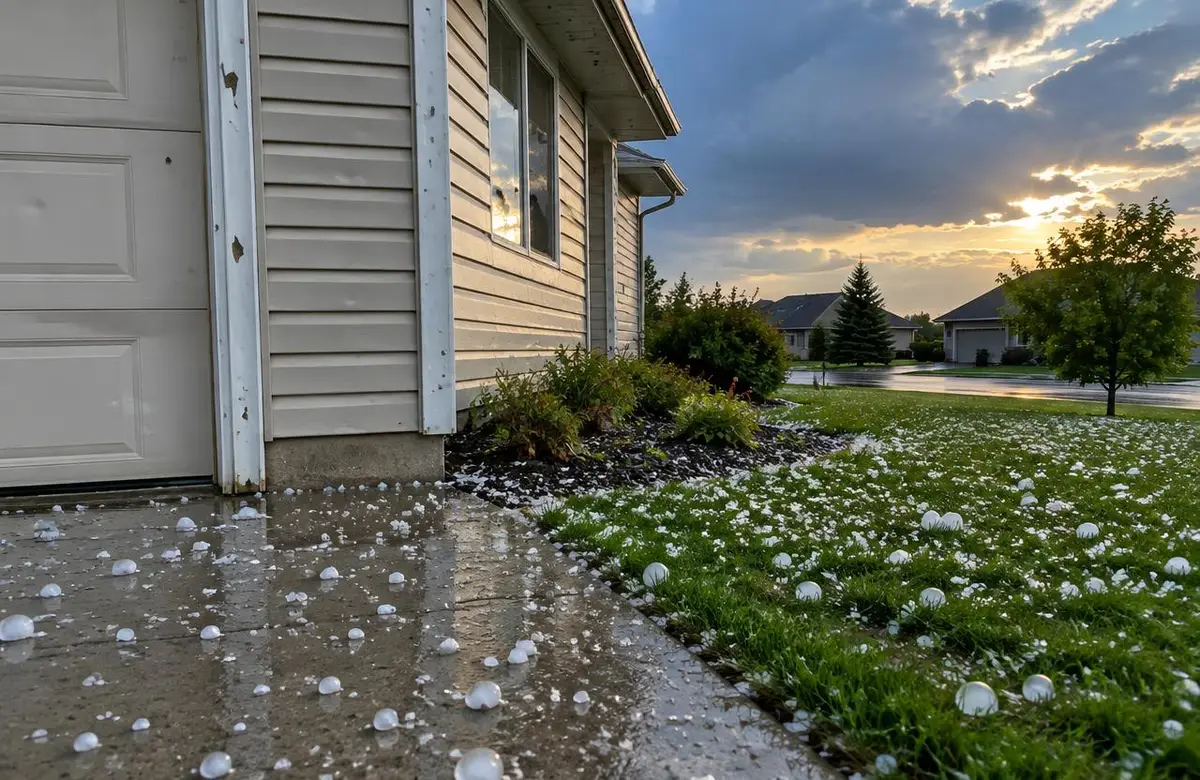
After a hailstorm, the obvious dents are not always the whole story. Paint can chip, stucco can lose pieces and siding can crack in places that are hard to see from the driveway. Calgary sits in what the City of Calgary calls "hail alley", the area that sees the most hail in Canada. It makes sense to inspect carefully after a storm rather than judging the damage from a quick glance.
I start by separating coating damage from material damage. Paint can cover a properly prepared surface, but it cannot fix broken siding or restore missing stucco texture by itself. With exterior painting, the useful question is what needs repairing before the finish is renewed. That answer helps define whether a touch-up, a complete wall or a broader repaint is the sensible painting scope.
What should you do before looking closely?
Wait until conditions are safe before walking around the property. Broken materials, fallen branches and slippery ground can make an inspection hazardous. Look from the ground and use photographs to record areas you cannot safely reach. Roof edges and high fascia are not a reason to climb an unsecured ladder after a storm; arrange an appropriate inspection for inaccessible damage.
Take broad photographs showing the affected side of the house, then closer views of visible marks. Keep original files and note the storm date and when you noticed the damage. Record which surfaces are affected and any immediate concerns, such as exposed material or water entering. Clear notes help everyone discuss the same locations later, rather than relying on descriptions like the damaged side.
What does hail damage look like on paint and stucco?
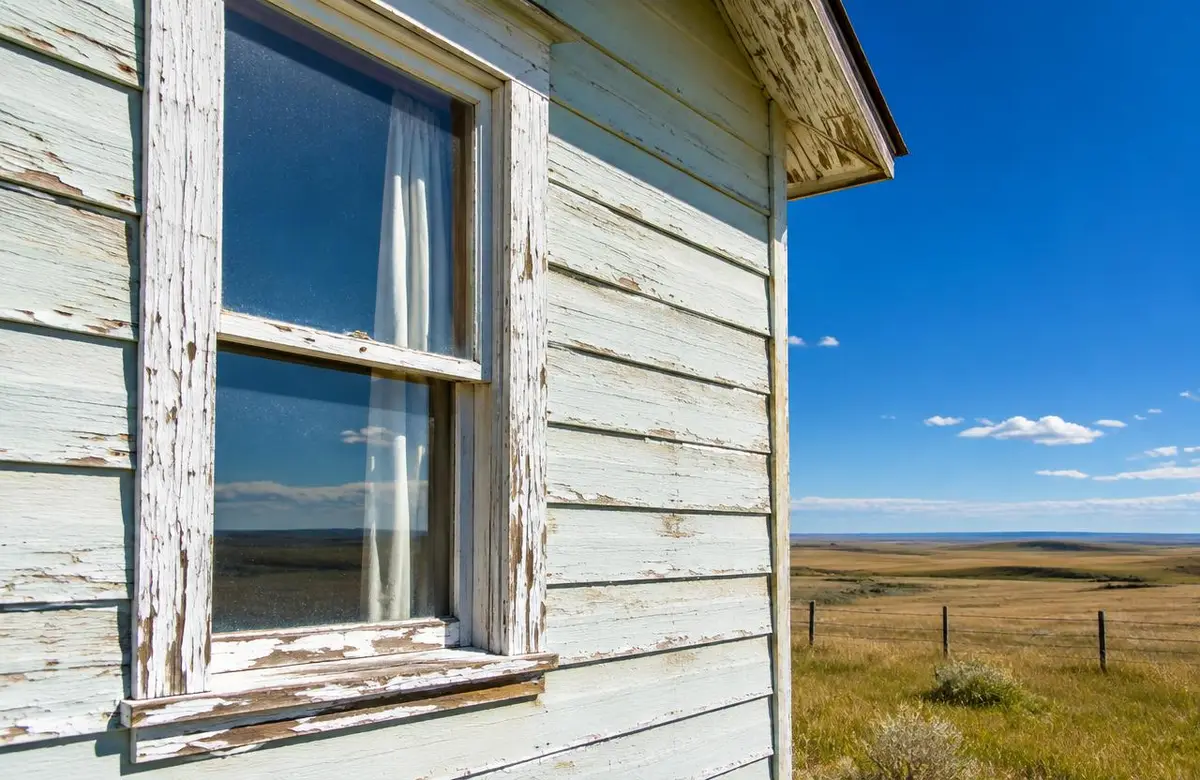
On a painted surface, hail may leave chips, scuffs or impact marks where the finish has broken away. Look for fresh-looking exposed areas against an otherwise weathered coating. Existing peeling and wear can look similar from a distance, so I examine the pattern and condition rather than assuming every blemish came from the latest storm. Photographs taken before the storm can be useful context.
Stucco needs a closer look at the material as well as its colour. Impacts may dislodge textured pieces, chip edges or reveal cracks that need assessment. A painted patch will not recreate missing texture or repair a deeper defect. The damaged area needs suitable repair and drying before coating, with expectations discussed about how the repaired texture will appear beside the original surface.
If cracks, loose areas or moisture signs suggest more than superficial damage, the underlying problem needs attention before I paint. That is especially important near openings and transitions between materials. Covering an impact mark is not the same as confirming the wall assembly is sound. I keep the painting scope clear about the condition it relies on and any repairs that must happen first.
What should you check on vinyl, fascia and fences?
Vinyl siding can show splits, punctures or broken edges after hail. Paint does not repair those failures. Damaged sections need assessment for repair or replacement, including whether a suitable match is available. If painting is being considered afterward, the siding's condition, coating compatibility and any manufacturer colour restrictions need checking. A new colour should not distract from cracks that remain open underneath it.
Metal fascia can show dents even when the coating remains attached. Painting may improve colour consistency but will not flatten those dents. Painted wood trim may have chipped edges or newly exposed fibres that need preparation and priming. I distinguish between cosmetic coating work and material repairs so the written estimate does not promise that paint will make every impact disappear.
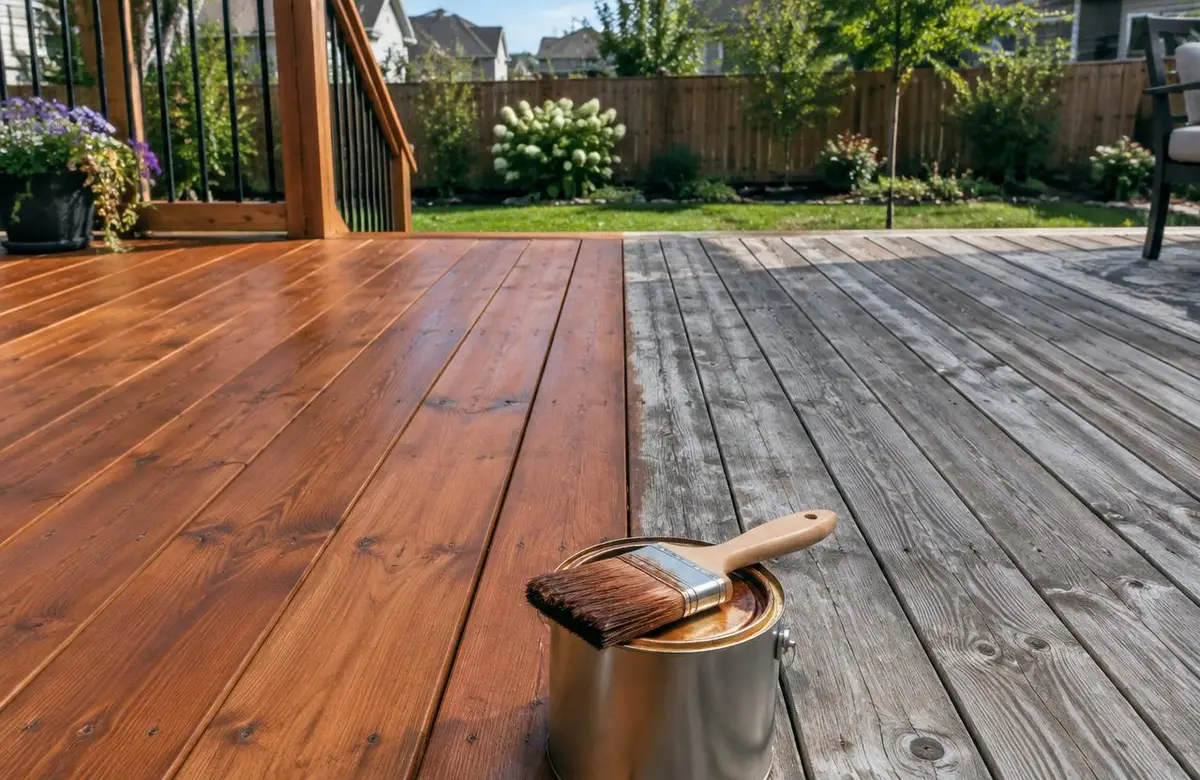
Fences and decks can have broken coating, bruised wood or damaged boards. Check exposed faces, rail caps and vulnerable edges from a safe position. For deck and fence staining, repairs and the existing finish determine the preparation. Stain can behave differently across fresh and weathered wood, so replacing a damaged board does not automatically produce an invisible blend after coating.
Why do spot touch-ups often stand out?
The existing finish has been exposed to sun, dust and weather. Fresh paint from the original colour formula may look different beside a faded wall, and the sheen can differ as well. Texture and application method also affect what you see. A small repair can appear acceptable in shade and become obvious when sunlight hits the wall at an angle.
Leftover paint from the original job won't always hide a patch. The wall has faded in the sun since it was painted, and the stored paint may have changed in the can. I'll do a small test area first, and if it stands out, painting the full wall or side is usually the better call.
Painting to a natural break can give a more consistent result than isolated spots. Depending on the layout, that might mean a complete wall, a trim section or another clearly bounded surface. The decision should balance the affected area, existing fading and your expectations. A full exterior repaint is not automatically necessary, but a tiny patch is not automatically the best value either.
What should you document for your insurance adjuster?
Contact your insurer or adjuster about claim procedures and coverage questions. Keep the inspection and painting records organised so you can explain what is visible and what work has been proposed. Do not discard damaged material or begin non-urgent repairs without checking what documentation they need. For urgent protection or safety issues, ask the insurer how to proceed and keep a record of the work.
- Save photographs showing the property, affected elevations and close-up details of damaged surfaces.
- Document storm dates, when damage was noticed and any later changes or water entry.
- Keep messages, inspection notes and written estimates together so the scope is easy to follow.
- Ask the adjuster what further inspection or documentation is needed before planned repairs begin.
- Separate material repairs from painting preparation and finishing in the proposed work description.
I do not give insurance advice; I give a clear written scope of the painting. Your insurer or adjuster determines coverage and claim requirements. My role is to describe the surfaces, preparation and proposed finish accurately, including where painting depends on repairs by an appropriate trade. That keeps the estimate useful without pretending that a painting assessment is a coverage decision.
How do you choose the next step?
Start with safe documentation, identify the damaged material and arrange the repairs the surface needs. Then consider how much of the finish should be renewed for a reasonably consistent appearance. I explain the limits of spot work and distinguish it from repainting a complete section. That gives you a practical painting plan to review alongside any other required work.
If hail has marked your siding, trim or fence, call or text me at 403-861-1963 or request a free estimate. I will assess the painting work and provide a clear written scope for the surfaces involved.