Exterior
How Long Does Exterior Paint Last in Alberta's Dry, Sunny Climate?
By Franklin SamuelPublished Last updated 5 min read
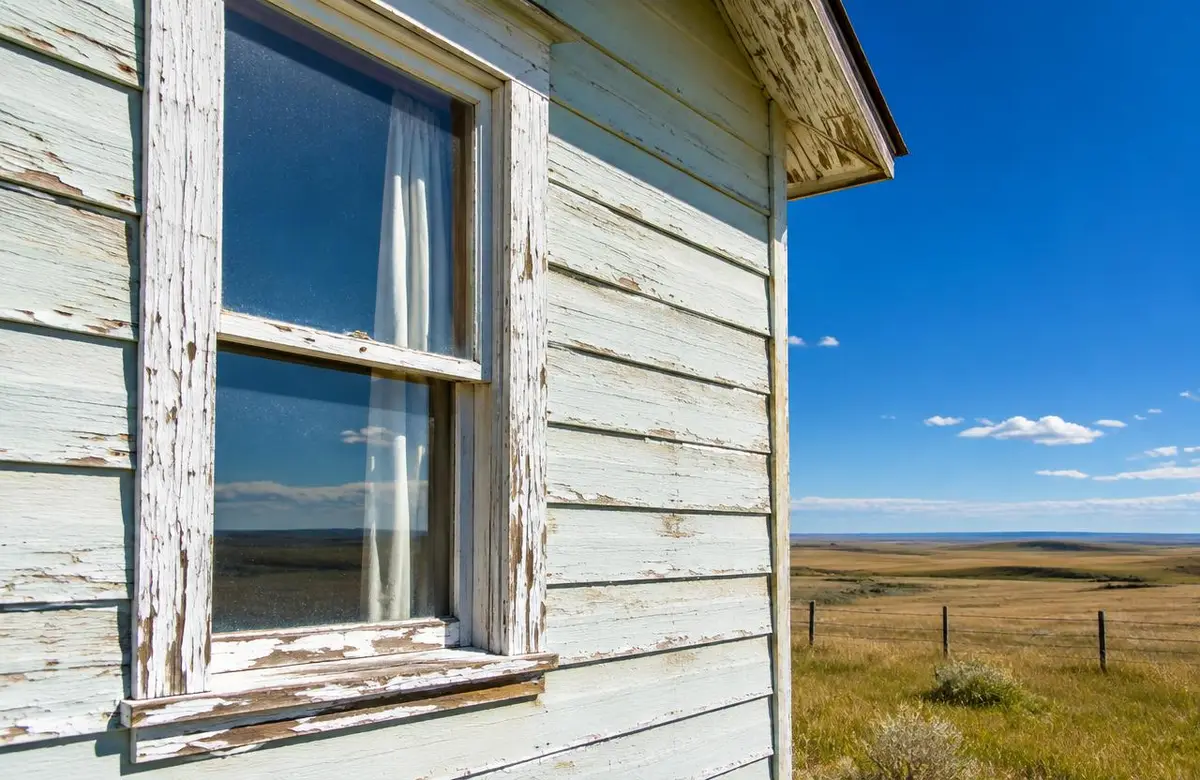
Exterior paint lasts according to the conditions it faces and the surface underneath it. In Calgary, I do not judge a coating by its age alone. I look at adhesion, exposed edges, fading, moisture paths and the preparation behind the finish. A wall that still holds a sound coating needs a different plan from trim that is peeling back to bare wood.
Alberta's dry, sunny climate can make a house look ready for painting when the surface conditions say otherwise. Strong sun, cold nights and sudden weather changes all affect the coating. When I assess exterior painting, I work around the home rather than assuming that every elevation has aged in the same way. The differences often explain where maintenance should begin.
Why is Alberta weather hard on exterior paint?
High-altitude UV exposure contributes to the breakdown of exterior coatings. Colour can fade, sheen can change and the surface can become chalky as the finish weathers. Direct sun also heats siding and trim, creating conditions that differ from the shaded air temperature. A wall can feel very hot even when the day seems comfortable from the other side of the yard.
Dry air can speed surface drying during application, which is not automatically helpful. Paint needs conditions that let it flow and form a proper film. Strong wind and a hot substrate can make application difficult and affect the appearance of the finish. I follow the coating's requirements and assess the surface instead of treating a dry forecast as permission to paint without further checks.
Freeze-thaw cycles and chinook swings add movement and moisture stress. Materials expand and contract as temperatures change, while water entering vulnerable joints can create problems as it freezes. Paint is a protective coating, not a repair for failed joints or damaged siding. Keeping the underlying material sound is part of helping the finish perform, especially around trim and exposed edges.
Why do south and west walls fade first?
South- and west-facing walls commonly show fading first because of their sun exposure. West walls can take strong afternoon heat, and exposed trim can weather differently from siding protected beneath an overhang. That does not mean the rest of the house is automatically sound. Trees, nearby buildings and rooflines change how sunlight reaches each section of the exterior.
I compare protected areas with open areas and look closely at transitions. A sheltered patch beneath an eave may hold its colour while the wall below has dulled. Around windows and doors, horizontal edges can collect water even when the surrounding siding looks dry. The direction the wall faces is useful information, but the actual condition decides the preparation and painting scope.
How much does preparation affect lifespan?
A new coat depends on what remains beneath it. Loose paint needs removal back to sound edges, and the surrounding surface needs suitable preparation. Dust, chalk and contamination can interfere with adhesion if they are left in place. Painting over failure may improve the appearance briefly, but it does not make the weak layer underneath stronger or securely attached.
Cleaning needs to suit the material and its condition. The goal is a clean, sound surface, not forcing water into joints or damaging an already fragile coating. After cleaning, the siding needs adequate drying before primer or paint is applied. That drying period is based on the surface and conditions, not just how soon the driveway looks dry.
Bare areas and repairs need a compatible primer where the coating system requires it. Caulking also needs the right location and preparation; openings intended for drainage should not simply be sealed over. I want the preparation to address the reason an area is failing, rather than cover the visible symptom and leave trapped moisture or damaged material behind.
Do the product and siding material matter?
The coating must suit the substrate and the existing finish. Wood, stucco and previously painted manufactured siding have different needs. A rough surface may have more exposed texture and require a different application approach from smooth trim. Existing coatings also matter because compatibility and adhesion cannot be assumed simply because the new paint is intended for outdoor use.
Product selection includes the finish's suitability for weather exposure and the manufacturer's application instructions. I do not choose a coating by colour alone. On surfaces where colour restrictions or heat sensitivity apply, those limits need checking before a dark colour is selected. The sensible coating system is the one suited to the actual material, preparation and conditions at your home.
Can application weather shorten the life of a finish?
Yes. Air temperature, surface temperature, moisture and the weather during drying all affect the job. Painting a sun-baked wall can be a problem even when the forecast temperature appears suitable. Painting late before a cold, damp night can also leave the coating facing conditions outside its requirements. Timing should follow the product instructions and the actual painting window.
I plan the sequence around shade, access and drying rather than insisting on moving around the house in a fixed order. For more on planning around local conditions, read the best time to paint an exterior in Calgary. Scheduling and preparation work together; a properly cleaned wall still needs appropriate conditions when the coating goes on.
What signs tell you the paint needs attention?
Look at the finish from the ground and check accessible areas without climbing onto an unsafe surface. Some wear is mainly cosmetic, while other signs indicate a loss of protection. I pay particular attention to exposed joints, lower trim, window surrounds and places where water may be reaching bare material. Useful warning signs include:
- Chalking that leaves a powdery residue when an accessible, weathered coating is rubbed.
- Peeling, lifting edges or patches where bare material is showing through.
- Cracking in the coating or open joints that need investigation and suitable repair.
- Faded trim, uneven sheen and visibly worn areas on the sunniest elevations.
- Soft wood, staining or recurring damage that suggests a moisture problem beneath the finish.
Fading by itself does not prove that the paint has lost adhesion. Peeling and soft material deserve a different response because repainting alone may not resolve the cause. I separate appearance concerns from repair needs so you can make a sensible decision about maintenance, selective work or a broader repaint. The scope should reflect what the house needs, not an arbitrary calendar.
How can you help the next finish last?
Keep drainage working, address leaks and avoid allowing vegetation or stored items to hold moisture against siding. Check accessible trim after severe weather and arrange attention when coatings lift or material becomes exposed. Early maintenance, including suitable trim and door painting, can keep a local defect from spreading. It is easier to plan useful work when you know where the coating is sound and where it needs help.
If your exterior is fading, chalking or peeling, call or text me at 403-861-1963 or request a free estimate. I will review the condition and explain the preparation and painting that make sense for your home.